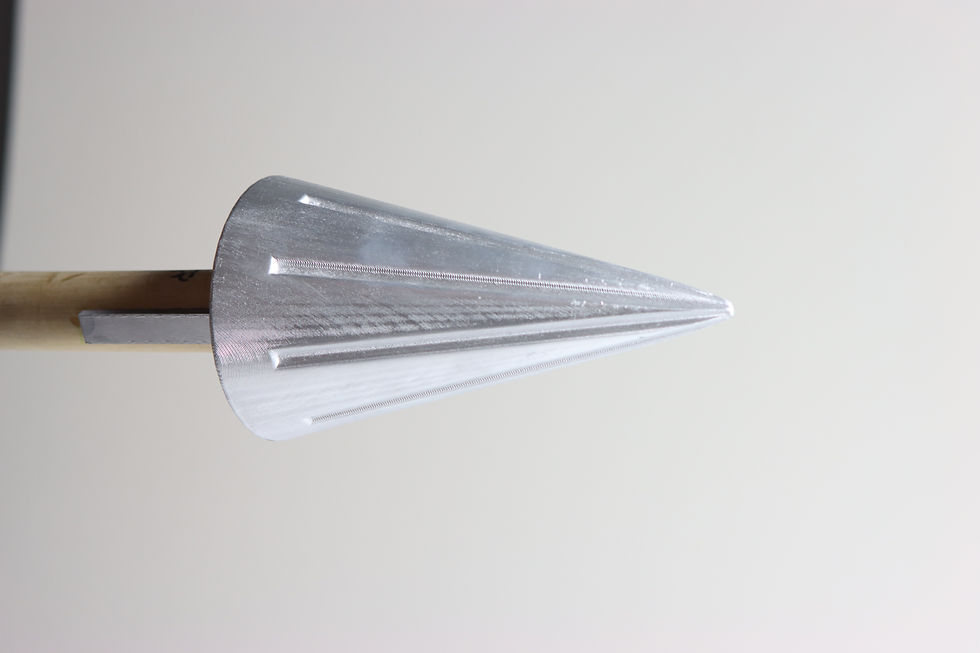
Bulb Planter
An inclusive gardening tool for diverse users and soil conditions.

Goal
The goal of designing this bulb planter is to make an inclusive and a universal tool across a diverse set of people and conditions of soil.
Design Process
Throughout this project, there will be a number of different design ideologies and methodologies employed. Some noteable ones being the following: Bio Mechanics, Inclusive Design, Designing for Need, Ergonomics, Design Thinking, and Ideation. The combination of these methods of the design process will help inform the final product, making a more clear and comprehensive version of itself.

Product Review: Bulb Planter
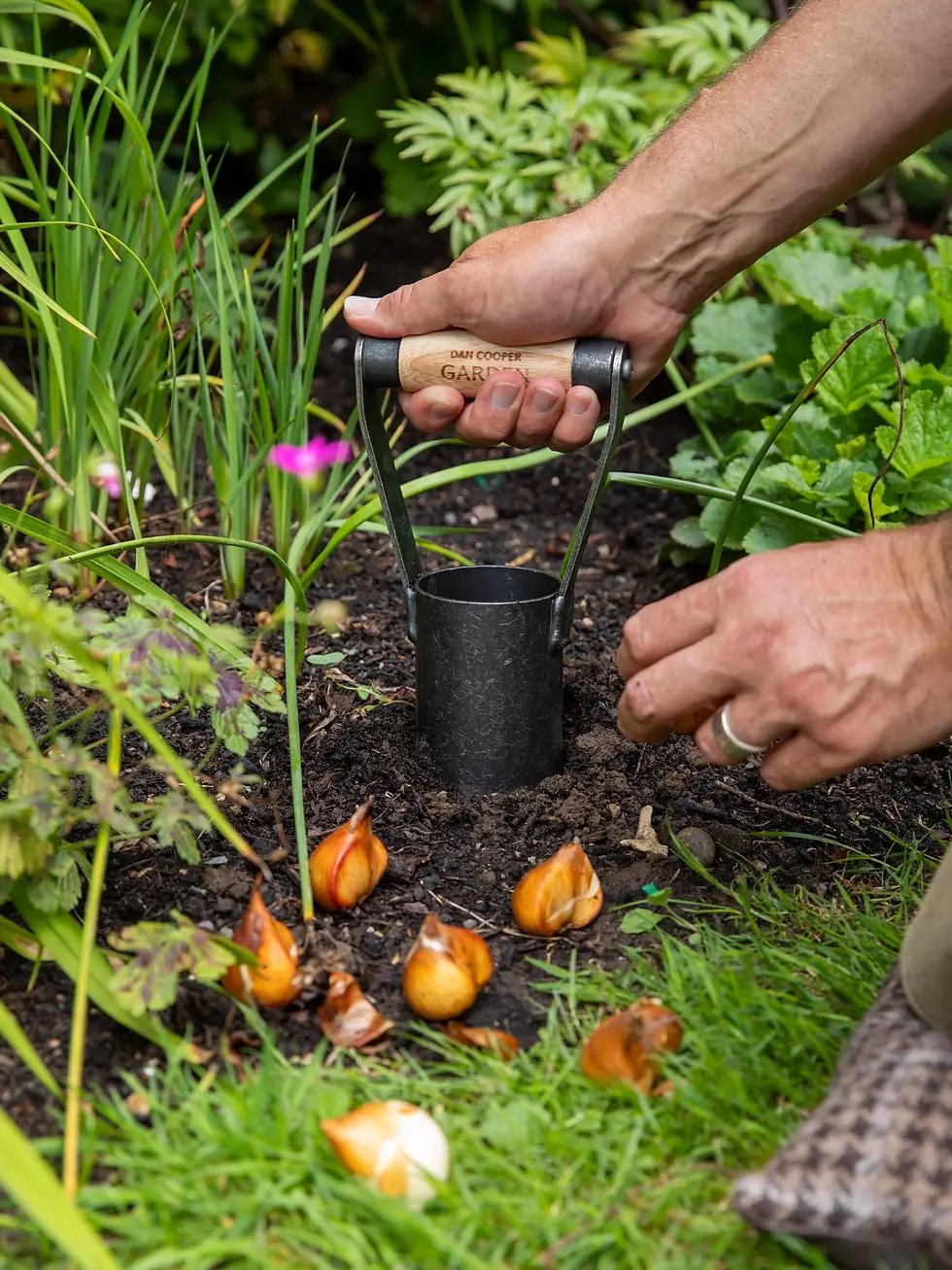
The Bulb Planter is a garden tool made for digging holes to plant bulbs and other plants, Sometimes it is also made to return soil back to the hole.
Sequential View: Traditional Bulb Planter


Product Review: Pain Points
-
Performance is highly dependent on soil conditions; overly dry or compact soil makes planting difficult or impossible.
-
Many designs assume the user is physically strong, limiting accessibility and ease of use.
-
Adjustable or hinged mechanisms made from cheap materials compromise structural integrity over time.
-
Soil release mechanisms often clog or require extra force, slowing the planting process.
-
Limited adaptability to varying bulb sizes and soil types reduces overall versatility.
Design Research: Arthritis
More than 47 Million Americans suffer from Arthrits.
There are multiple different types of arthritis, however some of the most common are osteoarthritis and rheumatoid arthritis. Both are debilitating diseases that have a negative affect on function with regular tasks, such as gardening.
"one in four adults within their lifetime"

“Common arthritis symptoms include swelling,
pain, stiffness, and diminished range of motion in
joints. Severe arthritis can result in chronic pain,
difficulty performing daily activities and make walking and climbing stairs painful and grueling.”
Arthritis Foundation
Design Research:
Empathy Exercise
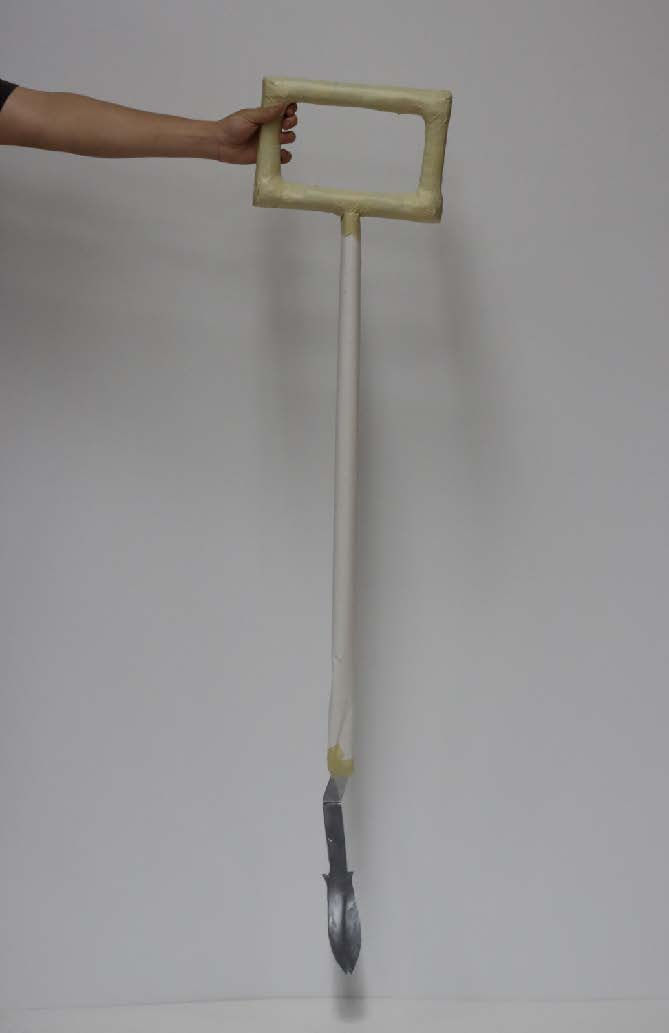
Understanding a user’s specific needs is a critical part of the design process. One effective way to gain this understanding is through empathy exercises, which allow designers to experience challenges similar to those of the target user. To better understand the limitations caused by arthritis, an empathy exercise was conducted in which joints were wrapped with tape to restrict movement and simulate reduced flexibility.

Design Research: Persona
Raj Patel - 82, Male
“ Using gardening tools with arthritis is like a tug-of-war with my own hands —some days, the soil is softer and the tools are lighter, and on others, even the simplest tasks feel like a battle. But the joy of seeing new life grow makes it all worth it.”
Raj’s arthritis has affected the dexterity in his fingers causing him difficulty in handling small seeds and plants

Design Research:
Ergonomics
Height (inches)
-
Male: 99th 63.57 | 50th 59.17 | 1st 51.54
-
Female: 99th 59.72 | 50th 53.58 | 1st 48.85
Interior Hand Grip
-
Optimal diameter: 1.25–1.50 in
Standing Elbow Rest Height (inches)
-
Male: 99th 46.62 | 50th 42.20 | 1st 37.87
-
Female: 99th 43.65 | 50th 39.24 | 1st 35.24
Forearm Hand Length (inches)
-
Male: 99th 21.34 | 50th 19.01 | 1st 17.10
-
Female: 99th 19.61 | 50th 17.41 | 1st 15.41
Forearm Breadth (inches)
-
Male: 99th 25.70 | 50th 21.44 | 1st 17.76
-
Female: 99th 22.03 | 50th 18.37 | 1st 15.52

Ergonomics centers design around user comfort, accessibility, and efficiency. By designing for the extremes, products become more inclusive and usable for a wider range of users.
Design Research:
21 Models, 21 Drawings


Design Research:
5 Refined Models



Design Research:
Sequential Views


Design Research:
User Interaction
Interacting with real users who have arthritis


Final:
Hang Tag


Final:
Bulb Planter